Trust Through Architecture
Our protocol replaces institutional trust with mathematical certainty. Explore how smart contracts govern missions, verify data, and protect stakeholders.
The Immutable Logic Layer
Escrow-as-Protocol
Funds are never held by our company. They reside in mission-specific smart contracts, programmed to release rewards only when cryptographic proof of protocol compliance is submitted.
Verification Oracles
We utilize a hybrid oracle system combining AI triage and decentralized peer review to validate research outputs against the Mission Strategist’s predefined criteria.
Immutable Hashing
Raw data remains private on decentralized storage, but its unique SHA-256 hash is anchored to the blockchain, creating a permanent, unalterable link to the truth.
Transparency by Default
Every mission on the Forensic Market is an open book. From the moment a Strategist stakes the initial budget to the final verification of a Researcher's findings, the entire lifecycle is traceable on-chain.
No Central Point of Failure
Even if our web portal goes offline, the data links and reward logic persist on the decentralized network.
Auditable Governance
Governance decisions are handled via community voting, visible to all participants.
Zero-Knowledge Proofs
We are implementing ZK-proofs to allow researchers to prove they have the data without exposing the sensitive contents until the payout is triggered.
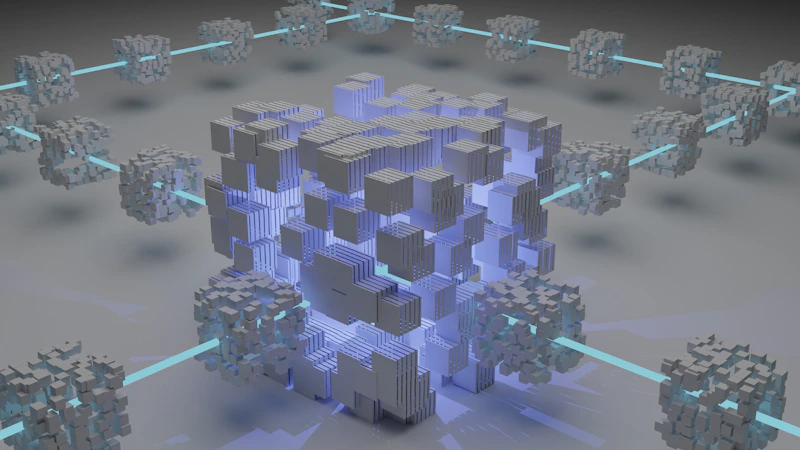
Conceptual Diagram: Multi-stage decentralized data anchoring and automated escrow release.
Why Blockchain?
Traditional forensics relies on chains of custody that can be broken by powerful interests. Decentralized systems ensure that once a fact is recorded, it is protected by the computing power of the entire network. Truth shouldn't depend on who has the key to the evidence locker.